

How Much Does It Cost to Replace a Commercial Rooftop HVAC Unit in NYC?
Commercial Rooftop HVAC Replacement Cost in New York City
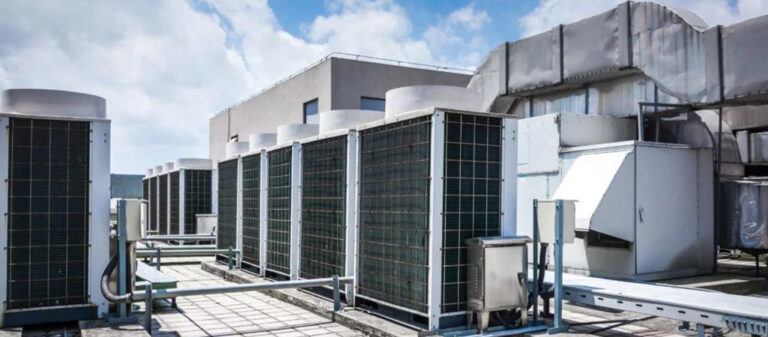
Replacing a commercial packaged rooftop HVAC system in New York City is a major investment that directly impacts building performance, tenant comfort, and long-term operating costs. Property owners, developers, and facility managers across Manhattan, Brooklyn, Queens, Bronx, and Staten Island often begin their search by comparing realistic pricing and understanding the factors that affect project scope. Accurate cost planning helps avoid emergency downtime, maintain business operations, and improve energy efficiency.
American HVAC Corp specializes in commercial rooftop HVAC replacement, retrofit, repair, and new installation for office buildings, restaurants, retail properties, warehouses, distribution centers, and industrial facilities throughout New York City. Our engineering-driven process focuses on proper system sizing, airflow design, and reliable installation to ensure long-term performance and durability. This approach allows commercial clients to maintain consistent indoor comfort while reducing maintenance and operational expenses.
In many cases, commercial rooftop HVAC replacement projects in NYC can start from approximately $12,000 to $20,000 for smaller, straightforward systems. These lower-range projects typically involve compatible roof curbs, existing ductwork, and electrical connections that do not require major modifications. When a building allows for direct replacement, installation can be faster, safer, and more cost-effective.
For standard commercial buildings and mid-size systems, rooftop HVAC replacement often falls within the $20,000 to $60,000 range, depending on system capacity, crane access, rooftop layout, and efficiency requirements. Larger and more complex systems can exceed this range, especially when structural upgrades, duct modifications, or electrical improvements are necessary.
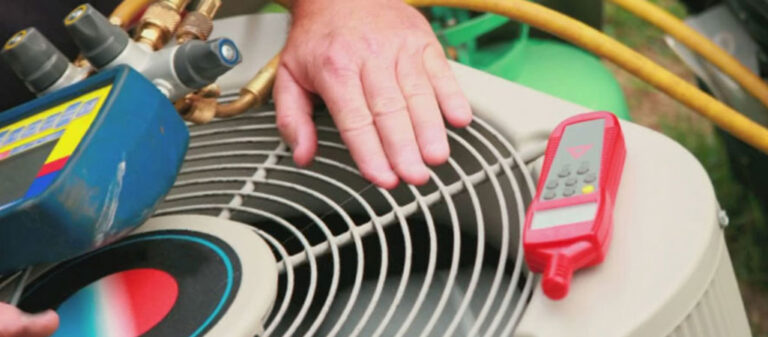
Because every building is different, American HVAC Corp performs detailed rooftop inspections, load verification, and system compatibility checks before providing final pricing. This ensures accurate budgeting and prevents costly surprises during installation.
Average Commercial Rooftop HVAC Replacement Cost in NYC
Typical cost ranges for commercial packaged rooftop HVAC systems in New York City include:
• Smaller systems from 5-ton to 7.5-ton may start between $12,000 and $20,000 when installation conditions are favorable.
• 10-ton to 15-ton rooftop HVAC replacement commonly ranges from $20,000 to $40,000.
• 20-ton to 30-ton commercial rooftop HVAC replacement often falls between $35,000 and $70,000.
• 40-ton to 60-ton and larger rooftop systems typically range from $70,000 to $120,000 or more, depending on building conditions and project scope.
These estimates generally include:
• Commercial rooftop HVAC equipment
• Professional installation and labor
• Crane and rigging coordination
• Permits and inspections
• Startup, testing, and commissioning
Each commercial property requires a professional evaluation to confirm airflow, electrical capacity, and structural readiness before installation.
Why Some Rooftop HVAC Replacement Projects Cost Less
Not every rooftop HVAC project requires major upgrades. Many commercial buildings can achieve efficient and cost-effective installation when the system is compatible with existing infrastructure.
Straight Replacement vs Retrofit
A straightforward rooftop HVAC replacement is the most economical scenario. When the existing roof curb, duct transitions, and electrical connections match the new equipment, installation is faster and requires fewer modifications. This reduces labor time, crane coordination, and overall cost.
Existing Ductwork Compatibility
If the existing ductwork and airflow design are adequate, major modifications are not required. This keeps projects within the lower to mid-range pricing while maintaining system performance.
Planned Replacement Strategy
Replacing aging rooftop HVAC systems before failure reduces emergency expenses and allows building owners to schedule work during optimal conditions. American HVAC Corp helps clients plan capital upgrades to avoid downtime and business disruption.
Why Rooftop HVAC Replacement Costs Increase
Retrofit and Infrastructure Upgrades
Older buildings may require new duct transitions, curb modifications, structural reinforcement, or electrical upgrades. While these improvements increase cost, they also improve system reliability and efficiency.
Crane Access and Urban Logistics
In Manhattan, Brooklyn, and Queens, restricted access, traffic coordination, and safety planning can significantly impact cost and scheduling.
Energy-Efficient Equipment
High-efficiency rooftop HVAC systems may have a higher upfront investment but provide long-term savings through reduced operating costs and improved sustainability.

Commercial Rooftop HVAC Replacement and Installation in New York City Five Boroughs
American HVAC Corp has completed rooftop HVAC replacement and installation projects across Manhattan, Brooklyn, Queens, Bronx, and Staten Island. Our real-world jobsite experience allows us to deliver dependable, energy-efficient solutions tailored to each building’s operational needs.
Packaged Rooftop HVAC Unit, Replacement, Installation and Repair in Manhattan, NY
High-rise corporate offices, healthcare facilities, and commercial towers throughout Midtown, Upper East Side, Upper West Side, Financial District, Chelsea, SoHo, Tribeca, Harlem, Washington Heights, Hudson Yards, and Lower Manhattan.
Packaged Rooftop HVAC Unit Replacement, Installation and Repair in Brooklyn, NY
Restaurants, retail stores, and mixed-use developments in Williamsburg, DUMBO, Downtown Brooklyn, Park Slope, Brooklyn Heights, Greenpoint, Bushwick, Bay Ridge, Sunset Park, and Coney Island.
Packaged Rooftop HVAC Unit Replacement, Installation, and Repair in Queens, NY
Industrial facilities, warehouses, and commercial properties in Long Island City, Astoria, Flushing, Jamaica, Jackson Heights, Forest Hills, Elmhurst, Woodside, Ridgewood, and Bayside.
Packaged Rooftop HVAC Unit Replacement, Installation, and Repair in The Bronx
Logistics, healthcare, and manufacturing environments in Hunts Point, Mott Haven, Fordham, Riverdale, Soundview, Morris Park, and Pelham Bay.
Packaged Rooftop HVAC Unit Replacement, Installation, and Repair in Staten Island
Commercial buildings and business parks in St. George, New Dorp, Tottenville, Great Kills, Port Richmond, and Mariners Harbor.
Repair vs Replacement for Commercial Rooftop HVAC Systems
Rooftop HVAC Replacement is recommended when equipment reaches 12 to 15 years of service, repair frequency increases, and system performance declines. Frequent service calls, rising energy consumption, and inconsistent heating or cooling often indicate that replacement will deliver better long-term value.
American HVAC Corp provides detailed diagnostics and lifecycle cost analysis to guide decision-making.
Benefits of Replacing Commercial Rooftop HVAC Systems
• Lower energy consumption and operating costs
• Improved comfort and indoor air quality
• Reduced downtime and emergency repairs
• Increased building value and asset longevity
• Compliance with modern energy standards
• Reliable long-term performance
Modern rooftop HVAC systems support sustainability and long-term building efficiency.
Leading Commercial Rooftop HVAC Brands Installed and Serviced
American HVAC Corp installs and services rooftop HVAC systems from trusted commercial manufacturers, including:
Trane, Carrier, Lennox, Daikin, York, Rheem, Goodman, American Standard, Bryant, AAON, Greenheck, Tempstar, Coleman, Fraser-Johnston, CaptiveAire, and more.
Why Businesses Choose American HVAC Corp
• Over 30 years of commercial HVAC experience
• Engineering-focused rooftop HVAC installation and retrofit
• HVAC Preventive maintenance and service programs
• Fast response and long-term reliability
• Corporate and multi-location support
Request a Commercial Rooftop HVAC Evaluation
If your commercial property requires rooftop HVAC replacement, retrofit, or installation, American HVAC Corp provides professional system inspections, accurate budgeting, and detailed project planning to ensure reliable performance and operational stability.
Faq’s
- How much does it cost to replace a commercial rooftop HVAC unit in New York City?
The cost to replace a commercial rooftop HVAC unit in New York City typically starts on the lower end for smaller systems and increases based on capacity, building height, and installation complexity. Straight replacement projects with existing ductwork and electrical usually fall in the lower to mid-range because structural and mechanical changes are minimal. However, retrofit projects that require ductwork modifications, electrical upgrades, or roof reinforcement can increase overall project cost.
American HVAC Corp provides detailed site inspections to identify these factors and recommend the most cost-effective solution. Our goal is to help building owners avoid emergency breakdowns, reduce long-term operating costs, and select energy-efficient equipment that delivers reliable performance.
- What is the difference between rooftop HVAC replacement and retrofit?
Replacement refers to removing an existing system and installing a new unit in the same configuration. Retrofit involves upgrading the system while modifying ductwork, electrical, controls, or airflow design.
Many older buildings in Manhattan, Brooklyn, Queens, Bronx, and Staten Island require retrofit work because building usage changes over time. For example, restaurants or retail spaces often increase occupancy, which requires better airflow and cooling capacity.
American HVAC Corp evaluates building load, airflow, and energy efficiency to determine whether replacement or retrofit will provide better long-term value. Our engineering-driven approach ensures your system supports current and future business needs.
- When should a commercial rooftop HVAC unit be replaced instead of repaired?
Replacement is recommended when repair costs become frequent, energy bills increase, and system performance declines. Older systems often struggle during extreme summer and winter conditions, leading to tenant complaints and operational disruptions.
If a unit is more than 12 to 15 years old, upgrading to a high-efficiency system can significantly reduce operating expenses.
American HVAC Corp performs lifecycle cost analysis to compare repair versus replacement and help property managers make informed decisions that protect their investment.
- How long does a commercial rooftop HVAC installation take?
Most straightforward installations take one to three days when the existing system layout remains unchanged. However, complex projects that require ductwork redesign, structural modifications, or coordination with multiple trades may take longer.
In high-traffic areas of New York City, crane scheduling and permit coordination are critical.
American HVAC Corp manages project planning, scheduling, and installation to minimize downtime and ensure business operations continue without interruption.
- Why do rooftop HVAC costs vary so much from one building to another?
Each building has different structural conditions, airflow requirements, and accessibility challenges. For example, a single-story warehouse in Queens will typically have lower installation costs compared to a high-rise commercial building in Manhattan that requires extensive crane logistics and coordination.
Some projects require ductwork redesign, vibration isolation, and advanced control systems, while others are simple replacements.
American HVAC Corp evaluates these factors to deliver transparent pricing and realistic timelines.
- What size rooftop HVAC unit does my commercial building need?
Correct system sizing depends on occupancy, building use, insulation, lighting, and equipment load. Oversized or undersized systems lead to poor comfort and higher operating costs.
American HVAC Corp performs professional load calculations and airflow analysis to ensure your system is designed for efficiency and long-term reliability.
- How can I reduce energy costs with a new rooftop HVAC system?
Modern systems use advanced compressors, variable speed fans, and smart controls that optimize energy consumption. Upgrading older equipment can reduce operating costs and improve sustainability.
American HVAC Corp installs high-efficiency rooftop HVAC systems designed to lower utility bills and meet NYC energy standards.
- What maintenance is required for commercial rooftop HVAC systems?
Preventive maintenance includes filter replacement, coil cleaning, airflow testing, and electrical inspection. Routine service reduces breakdowns and extends system lifespan.
American HVAC Corp offers commercial maintenance programs that provide priority service and reduce emergency repairs.
- How do rooftop HVAC systems improve indoor comfort?
These systems distribute air evenly across large commercial spaces, maintaining consistent temperatures and reducing hot or cold zones.
American HVAC Corp designs airflow systems that improve comfort and productivity in offices, retail stores, restaurants, and warehouses.
- What industries benefit most from rooftop HVAC systems?
Rooftop HVAC systems are widely used in restaurants, retail, warehouses, offices, healthcare, and industrial facilities. These environments require reliable and efficient heating and cooling.
American HVAC Corp provides solutions tailored to each industry to ensure performance and comfort.
- How can rooftop HVAC systems prevent business downtime?
Unexpected failures can disrupt operations and lead to financial losses. Upgrading aging systems and maintaining them regularly prevents emergencies.
American HVAC Corp helps businesses develop preventive maintenance and capital replacement plans to reduce risk.
- What are the most common rooftop HVAC problems?
Common issues include compressor failure, fan motor problems, electrical faults, and airflow restrictions.
American HVAC Corp provides diagnostics and repair solutions to restore system performance quickly.
- Do rooftop HVAC systems support large commercial spaces?
Yes. These systems are ideal for large open areas because they deliver centralized airflow and efficient cooling.
American HVAC Corp designs scalable systems that support future expansion.
- How do rooftop HVAC systems handle winter heating?
Modern systems provide reliable heating even during extreme winter conditions. Proper maintenance ensures heating performance and safety.
American HVAC Corp inspects heating components before winter to prevent failures.
- How can I budget for rooftop HVAC replacement?
Capital planning allows building owners to avoid emergency costs and schedule upgrades strategically.
American HVAC Corp provides long-term planning and cost forecasting.
- What are the benefits of high-efficiency rooftop HVAC systems?
Lower energy costs, improved comfort, and reduced maintenance are key benefits.
American HVAC Corp helps clients select systems that provide long-term value.
- How do rooftop HVAC systems support sustainability?
Energy-efficient systems reduce carbon emissions and help meet regulatory goals.
American HVAC Corp installs equipment that supports environmental compliance.
- How can smart controls improve rooftop HVAC performance?
Smart controls monitor system performance and adjust operation based on demand.
American HVAC Corp integrates advanced control systems for optimization.
- What should I look for in a commercial HVAC contractor?
Experience, engineering expertise, and strong project management are essential.
American HVAC Corp provides professional installation and long-term support.
- Why do commercial clients choose American HVAC Corp?
American HVAC Corp delivers reliable rooftop HVAC replacement, retrofit, and installation across Manhattan, Brooklyn, Queens, Bronx, and Staten Island. Our experience, technical knowledge, and commitment to customer satisfaction make us a trusted partner for commercial HVAC projects. - How can building owners accurately forecast rooftop HVAC replacement costs over the next 5 to 10 years?
Accurate forecasting requires a full mechanical audit, equipment age tracking, repair history review, and energy consumption analysis. Instead of waiting for emergency breakdowns, property owners should evaluate lifecycle costs and plan phased upgrades. This allows capital budgeting and prevents unexpected operational disruptions.
American HVAC Corp performs detailed commercial system inspections and provides long-term capital planning reports. These reports help corporate facility teams and property owners schedule replacements strategically while reducing risk and improving operational predictability.
- What financial advantages come from proactive rooftop HVAC replacement instead of emergency replacement?
Emergency replacement often leads to higher crane costs, rushed procurement, and tenant dissatisfaction. Proactive replacement allows competitive bidding, energy-efficient equipment selection, and improved scheduling.
American HVAC Corp helps commercial clients implement preventive replacement strategies that reduce downtime, control costs, and improve long-term asset value.
- How does rooftop HVAC performance impact tenant lease renewals and retention?
Reliable heating and cooling directly influence tenant comfort, employee productivity, and business continuity. Buildings with consistent indoor climate control typically experience fewer complaints and higher lease renewals.
American HVAC Corp designs high-performance commercial rooftop systems that stabilize indoor temperatures and improve tenant satisfaction.
- What is the role of energy benchmarking in commercial HVAC decision-making?
Energy benchmarking allows building owners to measure performance and identify inefficiencies. High energy consumption increases operating costs and affects property competitiveness.
American HVAC Corp evaluates building performance and recommends system upgrades that improve efficiency and reduce long-term expenses.
- How do rooftop HVAC upgrades improve corporate sustainability initiatives?
Modern systems use advanced compressors, improved heat exchange technology, and intelligent controls that reduce energy consumption and emissions. This supports ESG goals and environmental responsibility.
American HVAC Corp provides energy-efficient solutions designed to align with corporate sustainability strategies.
- How do advanced control systems reduce commercial HVAC operating costs?
Smart automation allows real-time monitoring, demand-based operation, and performance optimization. This prevents overcooling or overheating and reduces utility expenses.
American HVAC Corp integrates intelligent building controls to improve system efficiency and operational transparency.
- How can facility managers reduce operational risks associated with aging rooftop HVAC systems?
Regular inspections, predictive maintenance, and strategic replacement minimize failures. Monitoring performance trends allows early detection of system decline.
American HVAC Corp offers predictive maintenance programs designed to extend equipment life and reduce emergency breakdowns.
- How do rooftop HVAC upgrades affect employee health and productivity?
Stable indoor environments reduce fatigue, improve air circulation, and support better workplace comfort. This directly impacts employee performance and satisfaction.
American HVAC Corp designs airflow and temperature control solutions that enhance indoor comfort.
- What factors influence the return on investment for commercial rooftop HVAC replacement?
Energy savings, reduced repairs, lower downtime, and increased tenant satisfaction all contribute to ROI.
American HVAC Corp performs detailed cost-benefit analysis to help clients make informed investment decisions.
- How can commercial rooftop HVAC systems support future expansion or tenant growth?
Flexible system design allows scalability and future modifications. This is important for growing businesses and multi-tenant buildings.
American HVAC Corp plans installations with future building expansion in mind.
- What challenges do Manhattan commercial rooftop HVAC projects typically face?
High-rise logistics, crane permits, limited access, and complex scheduling require specialized expertise.
American HVAC Corp manages these challenges through detailed planning and coordination.
- How do Brooklyn commercial buildings differ in rooftop HVAC requirements?
Mixed-use developments and restaurants require precise zoning and ventilation strategies.
American HVAC Corp provides customized system design for high-occupancy spaces.
- Why do Queens industrial facilities require high-capacity rooftop HVAC systems?
Large open spaces need consistent airflow and durable equipment.
American HVAC Corp designs solutions for warehouses and manufacturing.
- What rooftop HVAC considerations are important for Bronx logistics and distribution centers?
Reliability and redundancy are essential for operational continuity.
American HVAC Corp installs high-performance systems that minimize downtime.
- How can Staten Island commercial buildings improve energy efficiency through rooftop HVAC upgrades?
Selecting efficient equipment and improving controls lowers operating costs.
American HVAC Corp helps businesses maximize efficiency and performance.
- How does airflow balancing improve commercial rooftop HVAC performance?
Balanced airflow ensures consistent temperature distribution and reduces energy waste.
American HVAC Corp performs airflow diagnostics to optimize system performance.
- When should ductwork be replaced during rooftop HVAC installation?
If airflow is restricted or layouts have changed, duct upgrades improve comfort and efficiency.
American HVAC Corp evaluates duct systems and recommends necessary upgrades
- How do vibration and structural factors impact rooftop HVAC installation?
Proper isolation prevents noise and protects building structure.
American HVAC Corp installs systems with professional vibration control.
- What role does commissioning play in commercial rooftop HVAC projects?
Commissioning verifies system performance and ensures proper operation.
American HVAC Corp provides full testing and startup procedures.
- How can building automation systems improve rooftop HVAC reliability?
Automation detects performance issues early and improves maintenance planning.
American HVAC Corp integrates monitoring and analytics.
- How can businesses reduce emergency HVAC repair costs?
Preventive maintenance and proactive upgrades reduce unexpected expenses.
American HVAC Corp provides service contracts that minimize risk.
- How do rooftop HVAC systems impact business continuity planning?
Reliable systems prevent operational disruptions.
American HVAC Corp designs solutions that support critical operations.
- What are the benefits of long-term commercial HVAC service agreements?
Predictable costs, priority support, and extended equipment life.
American HVAC Corp offers customized maintenance programs.
- How can facility managers compare commercial HVAC contractors effectively?
Experience, certifications, project management, and transparency are key factors.
American HVAC Corp provides detailed proposals and clear communication.
- How do rooftop HVAC upgrades improve operational efficiency?
Efficient systems reduce downtime and stabilize building performance.
American HVAC Corp focuses on long-term reliability.
- How do corporate clients manage multi-location HVAC assets?
Standardization simplifies maintenance and improves budgeting.
American HVAC Corp supports multi-site programs.
- How do rooftop HVAC systems contribute to building resilience?
Reliable systems help buildings operate during extreme conditions.
American HVAC Corp provides durable solutions.
- How does predictive maintenance improve commercial HVAC reliability?
Data-driven maintenance prevents failures.
American HVAC Corp offers advanced monitoring programs.
- How can rooftop HVAC upgrades reduce insurance and liability risks?
Modern systems reduce fire hazards, failures, and tenant complaints.
American HVAC Corp ensures compliance and safe installation.
Schedule a commercial rooftop HVAC site inspection and request a detailed proposal from American HVAC Corp today to upgrade your building performance, reduce operating costs, and secure long-term system reliability.