
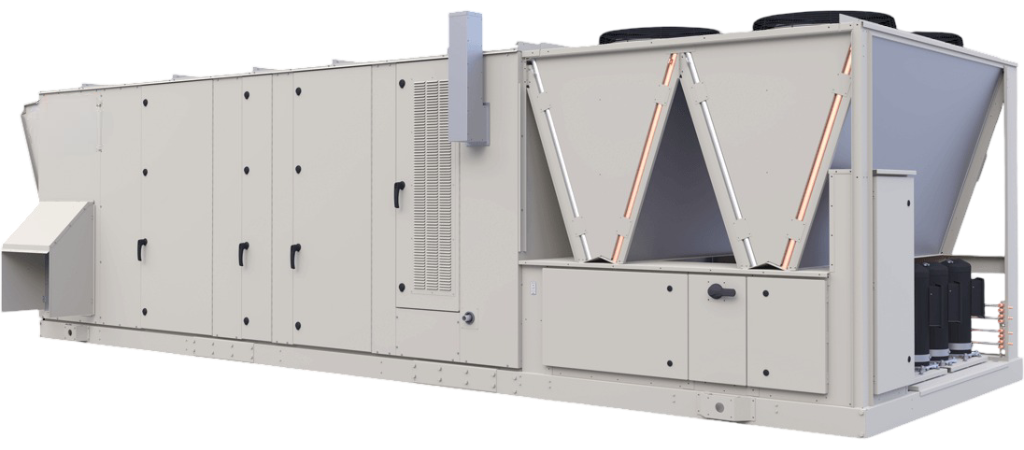
Think of your commercial rooftop hvac unit (RTU) as the unsung hero of your business. It stands up there on the roof, braving the scorching summer sun and freezing winter winds, all to keep your employees and customers comfortable.
But because it’s “out of sight, out of mind,” it is incredibly easy to neglect.
Skipping regular RTU maintenance is a fast track to skyrocketing energy bills, poor indoor air quality, and catastrophic system failures during peak seasons. At American HVAC Corp, we want to help you protect your investment. Here is your ultimate seasonal guide to keeping your rooftop HVAC units running efficiently year-long.
Why Rooftop HVAC Unit Maintenance is a Non-Negotiable for Businesses
Preventative HVAC maintenance isn’t just another chore to add to your list—it directly impacts your bottom line.
- Slash Energy Costs: Dirty coils and clogged filters make your system work twice as hard. Keeping them clean can drop your energy consumption significantly.
- Prevent Premature Replacement: A well-maintained RTU can easily last 15 to 20 years. Neglect it, and you might find yourself shopping for an expensive replacement much sooner than expected.
- Minimize Downtime: There is nothing worse than an HVAC breakdown in the middle of a summer heatwave or a winter freeze. Routine checks catch minor issues before they turn into operational disasters.
Spring and Summer RTU Maintenance Checklist
When the weather warms up, your cooling system needs to be in fighting shape. Before you crank up the AC, make sure these three crucial steps are taken:
1. Clean the rooftop Unit Thoroughly
Rooftops are magnets for wind-blown dirt, pollen, leaves, and debris. Clean out the cabinet and clear away any debris surrounding the unit. This ensures unimpeded airflow and keeps the internal components from overheating.
2. Check for Structural and Seal Damage
Extreme weather can degrade the seals around your RTU, as well as the building’s envelope.
- Inspect door and window seals around your facility to prevent drafts and moisture infiltration.
- Pro Tip: Consider hiring a professional to run a thermal imaging (FLIR) camera test to pinpoint exactly where conditioned air is leaking out of your building.
3. Scan for Refrigerant and Oil Leaks
Your system needs the exact right amount of refrigerant to cool your building efficiently. But there’s another culprit to watch out for: compressor oil.
Why it matters: Lubricating oil travels alongside your refrigerant. If you have a refrigerant leak, you are likely leaking oil too. Look for greasy, oily spots under the unit or near refrigeration components. If you spot a leak, turn off the system and call a licensed technician immediately to prevent permanent compressor failure.
Fall and Winter RTU Maintenance Checklist
As the leaves turn and the temperature drops, your focus shifts to heating. Preparing your heating system ahead of time ensures a warm, safe winter workspace.
1. Inspect Condenser and Heating Coils
Just like in the summer, dirty coils in the winter restrict airflow and lower heat exchange efficiency. Inspect your coils for any dust or soot buildup and clean them to prevent your system from choking during a freeze.
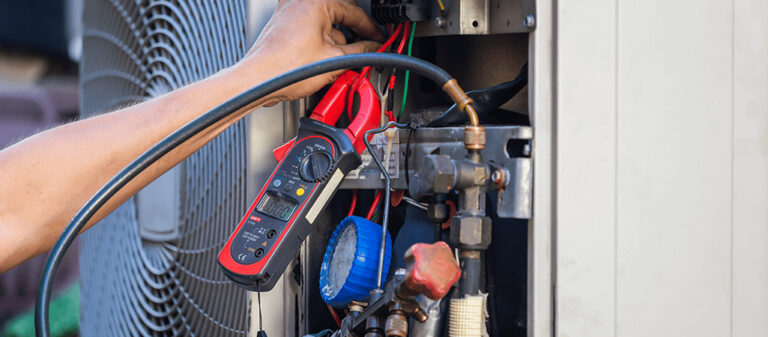
2. Tighten Electrical Connections
Temperature fluctuations cause metal to expand and contract, which can loosen electrical connections over time.
- Loose wires lead to voltage drops and overheating and are a major fire hazard.
- Safety Warning: Always shut off the main power to the equipment before opening any access panels. Tightening electrical components is highly precise work best left to your trusted commercial HVAC partner.
3. Examine and Replace Filters
This is the simplest yet most frequently ignored maintenance task. Clogged filters restrict airflow, degrade indoor air quality, and can actually cause your cooling coils to freeze or your heating system to overheat and shut down. Change your commercial filters every 1 to 3 months, depending on your building’s usage.

Troubleshooting Common Rooftop Unit Problems
Before you call in the pros, here are a few quick checks you can perform safely if your system isn’t running quite right:
| Symptoms | Potential Cause | Quick Fix |
| Weak Airflow | Clogged air filters | Inspect and replace the filters immediately. |
| No Power to Unit | Tripped breaker or blown fuse | Check your building’s electrical panel. (Remember to turn off unit power first!). |
| Squealing Noises | Loose or worn blower belt | Inspect the belt for cracks or tears. If damaged, it needs to be replaced. |
Partner with American HVAC Corp for Worry-Free Climate Control
Keeping a commercial rooftop unit running efficiently takes time, specialized tools, and technical expertise. At American HVAC Corp, we specialize in taking the hassle out of commercial climate control.
Whether you need a custom air handling setup, a complete packaged rooftop unit installation, or a comprehensive HVAC preventative maintenance plan, our team of EPA- and NATE-certified HVAC technicians is here to keep your business running smoothly, comfortably, and cost-effectively.
Ready to protect your rooftop units? Contact American HVAC Corp today to schedule your seasonal commercial HVAC inspection!