Daikin HVAC Pro Contractor NYC: What American HVAC Corp Installs and Services
Choosing a heating and cooling system in New York City is different from choosing one in a suburban town. Buildings are older, space is limited, summers are humid, and winters can be harsh. Daikin HVAC makes equipment for many of these conditions, but the right system depends on your property.
This guide explains what a Daikin HVAC Pro Contractor does, which Daikin HVAC systems fit which spaces, and what to ask before you hire. It comes from American HVAC Corp, a Daikin HVAC Pro Contractor in NYC serving the Bronx, Queens, Brooklyn, Staten Island, and Manhattan, NYC.
What Is a Daikin HVAC Pro Contractor?
A Daikin HVAC Pro Contractor installs and services Daikin HVAC equipment with the manufacturer’s training, product support, and installation standards. American HVAC Corp holds this role in New York City, so homeowners and building managers can find Daikin HVAC installation, repair, and maintenance in one place.
Why Daikin HVAC Systems Suit New York Properties
A Manhattan co-op, a Brooklyn brownstone, a Queens two-family home, a Bronx apartment building, and a Staten Island detached house all have different needs. The Daikin HVAC range covers ductless, ducted, packaged, hydronic, and commercial systems, so there is usually an option that fits the layout instead of forcing the layout to fit the equipment.
Start With Your Building, Not the Equipment
Before comparing models, answer four questions:
- Does the property have working ductwork?
- Is indoor or outdoor space limited?
- Do rooms need separate temperature control?
- Do you need cooling only, or heating and cooling?
Your answers point toward a system type, and a professional load calculation confirms the right size.
Residential Daikin HVAC Systems From American HVAC Corp
Daikin HVAC Ductless Systems
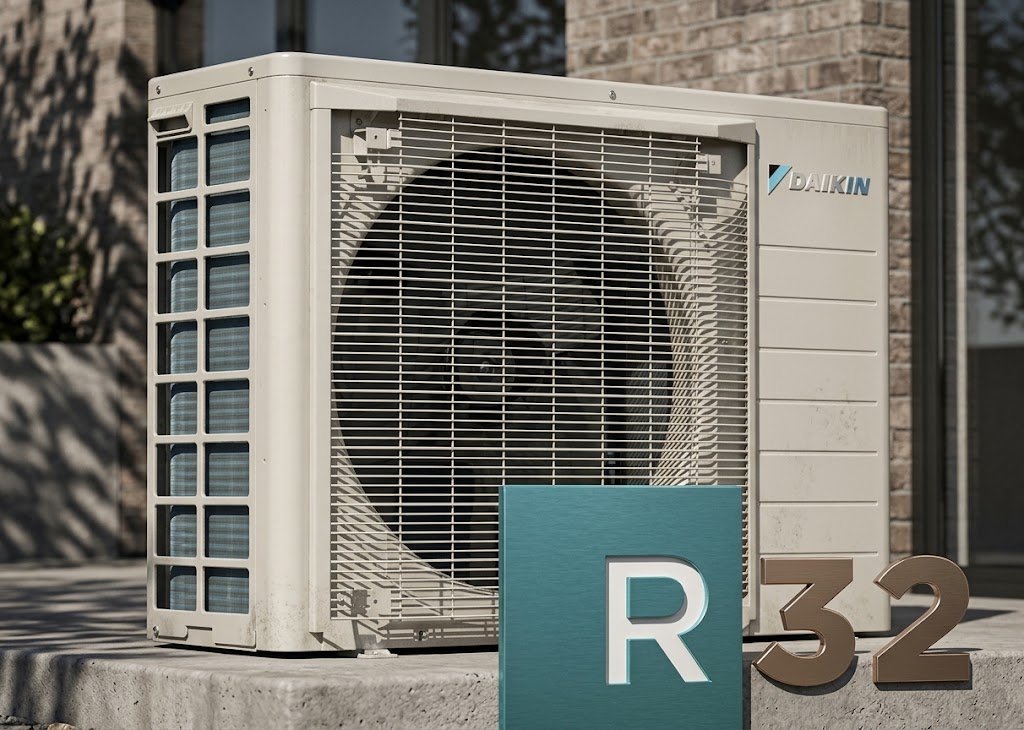
Ductless systems work well in homes without ducts, in addition, and in rooms that never feel comfortable. An outdoor unit connects to indoor units through a small refrigerant line, so installation needs only a small wall opening.
- Daikin Single-zone systems serve one room or area, as air conditioners or heat pumps.
- Daikin Multi-zone systems connect several indoor units to one outdoor unit, so each room has its own setting. These are also available as air conditioners or heat pumps.
Daikin HVAC Split Systems
Daikin HVAC systems heat and cool the whole home through ducts. Options include air conditioners, heat pumps, air handlers and coils, and gas furnaces.
Daikin HVAC Packaged Products
Packaged products put heating and cooling in one outdoor cabinet, which helps when indoor mechanical space is tight. Choose from packaged air conditioners, packaged heat pumps, and gas, electric, and dual-fuel units.
Daikin HVAC Hydronic Systems
Hydronic systems move heat with water, which suits buildings that already use water-based heating. The line includes a heat pump system, a domestic hot water tank, heat pump convectors, and a hydronic air handler.
Daikin Commercial HVAC Systems From American HVAC Corp
Offices, restaurants, retail stores, and multi-family buildings need steady comfort and manageable operating costs.
- Split systems include air conditioners, heat pumps, and air handlers.
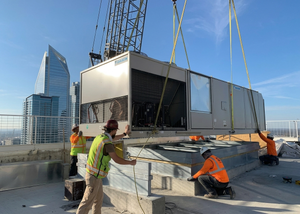
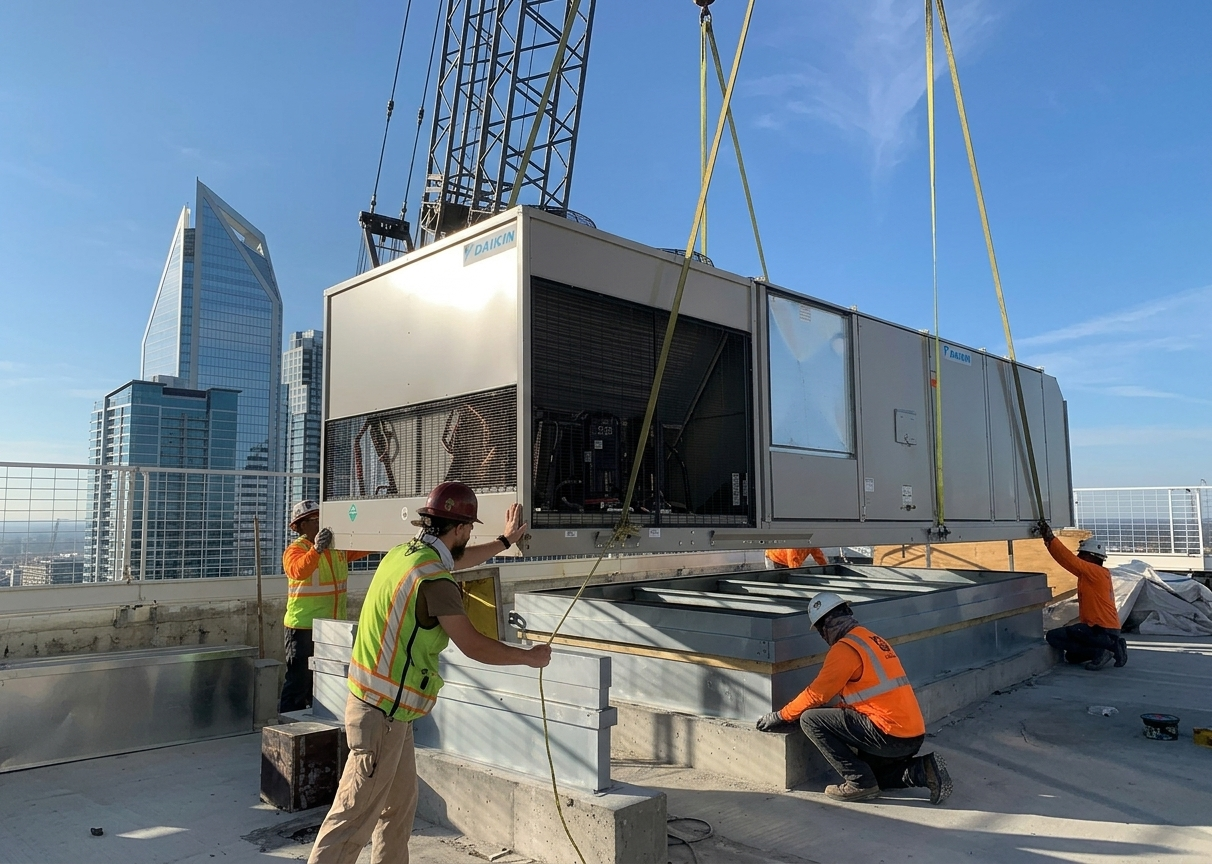
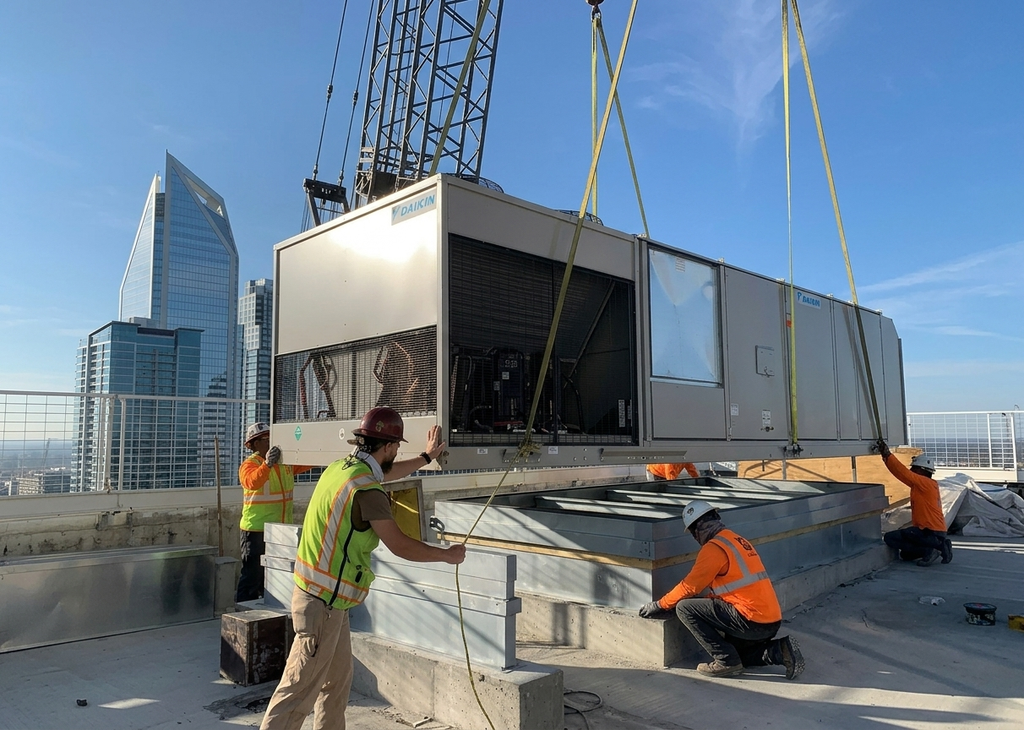
- Packaged rooftop systems include air conditioners, heat pumps, gas and electric units, and the M-Series.
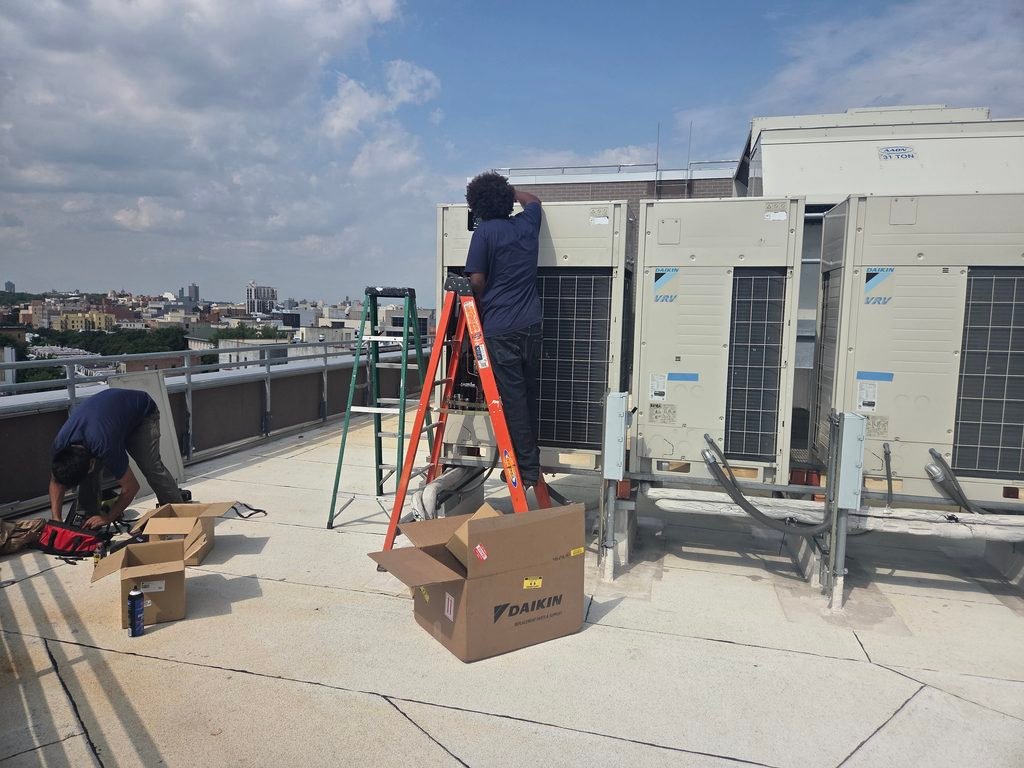
- Variable Refrigerant Volume (VRV) systems serve buildings with many zones. Options include air-cooled, water-cooled, ventilation, and indoor unit configurations.
Why Technician Credentials Matter
Even a well-made system performs poorly if it is installed incorrectly. Ask any contractor about training. The technicians at American HVAC Corp hold three credentials:
- EPA certification, required by federal rules to handle refrigerants.
- NATE certification, an independent industry credential that tests practical HVAC knowledge.
- Daikin HVAC certification, manufacturer training on Daikin HVAC equipment and installation standards.
Learn the Basics: How Daikin HVAC Heat Pumps and Ductless Systems Work
A heat pump does not make heat. It moves heat from one place to another. In summer, it takes heat from indoor air and releases it outside, which cools your home. In winter, it reverses the process and pulls heat from the outdoor air, even when it is cold, to warm your rooms. Because it moves heat instead of burning fuel, it can use less energy than many traditional heating methods. A Daikin HVAC ductless system pairs an outdoor unit with one or more indoor units joined by a thin refrigerant line, so no large ducts are needed. Sizing is critical. An oversized system turns on and off too often, which wastes energy and leaves humidity high. An undersized system runs constantly and struggles on extreme days. Clean or replace filters as recommended, keep outdoor units clear of debris and snow, and schedule professional maintenance once a year to protect efficiency and indoor air quality.
Questions to Ask Before You Hire a HVAC Contractor
- Will you perform a load calculation for my space?
- Which Daikin HVAC system type fits my building, and why?
- Are your technicians EPA, NATE, and Daikin HVAC certified?
- What does the warranty cover?
- What maintenance schedule do you recommend?
Clear answers help you compare contractors fairly.
Daikin HVAC Pro Contractor FAQs: Installation, Repair, and Maintenance in NYC
1. What is a Daikin HVAC Pro Contractor?
A Daikin HVAC Pro Contractor installs and services Daikin HVAC equipment with the manufacturer’s training, product support, and installation standards.
2. Is American HVAC Corp a Daikin HVAC Pro Contractor in NYC?
Yes. American HVAC Corp is a Daikin HVAC Pro Contractor serving the Bronx, Queens, Brooklyn, Staten Island, and Manhattan.
3. What areas does American HVAC Corp serve?
We serve the Bronx, Queens, Brooklyn, Staten Island, and Manhattan, NYC.
4. How much does Daikin HVAC installation cost in NYC?
Cost depends on system type, capacity, building layout, and installation complexity. An on-site assessment gives the most accurate estimate.
5. Are Daikin HVAC ductless mini-splits good for NYC apartments?
Often, yes. They need no ductwork, take little space, and allow room-by-room control. Building rules and co-op approvals may apply.
6. What is the difference between a Daikin HVAC heat pump and an air conditioner?
An air conditioner only cools. A heat pump cools and heats.
7. Do Daikin HVAC heat pumps work in cold New York winters?
Daikin HVAC makes cold-climate heat pumps designed to heat in low outdoor temperatures. Performance varies by model, so ask for the rated capacity at low temperatures.
8. How often should I service my Daikin HVAC system?
Most manufacturers recommend professional maintenance at least once a year, ideally before the heating or cooling season.
9. Are American HVAC Corp technicians certified?
Yes. Our HVAC technicians hold EPA, NATE, and Daikin HVAC certifications.
10. What does NATE certification mean?
It means a technician passed an independent exam covering practical HVAC knowledge.
11. Why does EPA certification matter?
Federal rules require technicians who handle refrigerants to be EPA certified, which supports safe handling and environmental protection.
12. What size Daikin HVAC system do I need?
Size depends on square footage, insulation, windows, ceiling height, and use. HVAC load calculation sets the correct capacity.
13. How long does a Daikin HVAC installation take?
A single-zone ductless system is often finished in one day. Multi-zone, ducted, and commercial projects take longer.
14. What is a Daikin HVAC multi-zone system?
It connects several indoor units to one outdoor unit, so each room can be set to its own temperature.
15. What is Daikin HVAC VRV?
Variable Refrigerant Volume is a commercial system that adjusts refrigerant flow to match demand in each zone. It suits offices, retail spaces, and multi-family buildings.
16. Can a Daikin HVAC mini-split heat and cool?
Yes, when you choose a heat pump model. Air conditioner models cool only.
17. Is Daikin a good mini split brand?
Yes — Daikin is widely recognized as one of the best ductless mini-split brands in the world. As the globally dominant HVAC equipment manufacturer, Daikin pioneered inverter technology and remains an industry benchmark for efficiency, quiet performance, and reliability.
18. Is Daikin a good HVAC unit?
Yes, Daikin is widely considered an excellent HVAC manufacturer and is globally recognized as the world’s largest air conditioning equipment maker.
Daikin systems stand out for their advanced inverter technology, high energy efficiency, and industry-leading warranties (up to 12 years on parts when registered).
19. Does a Daikin HVAC system need a permit in NYC?
Many HVAC projects require permits for building approval. Your contractor should confirm the requirements for your property.
20. How do I request a Daikin HVAC quote from American HVAC Corp?
Call us or request an assessment. We review your space, goals, and budget, then recommend a system.
21. How much does a Daikin HVAC system cost?
Daikin HVAC system costs vary depending on system type (ductless mini-split vs. central split system vs. packaged unit), home size, efficiency rating (SEER2), and installation complexity.
On average, a fully installed residential Daikin system ranges between $3,500 and $14,000+, with equipment-only pricing ranging from $1,500 to $7,000+.
22. How much does a Daikin ductless mini-split cost?
The total cost of a Daikin mini-split system depends on the number of zones (rooms) being heated or cooled:
- Single-Zone System (1 room): $3,200 – $6,000 installed.
- Multi-Zone System (2–3 rooms): $6,500 – $10,500 installed.
- Whole-Home System (4+ rooms): $10,500 – $16,000+ installed.